Football — or soccer as it’s known in parts of the world — is the planet’s most popular sport. Simple, fast, and universally accessible, it requires minimal equipment but demands skill, strategy, and teamwork. From grassroots parks to packed stadiums, the game’s rules remain the same everywhere. Four Code Sports brings you our understanding of the basic rules and premise for a game of football (soccer).
To understand football’s global appeal, it helps to start with the basics — how the game is structured, what the main rules are, and why they create the drama that millions love. The Laws of the Game
The Core Premise
At its heart, football is a contest between two teams of 11 players. The objective is simple: score more goals than the opposition.
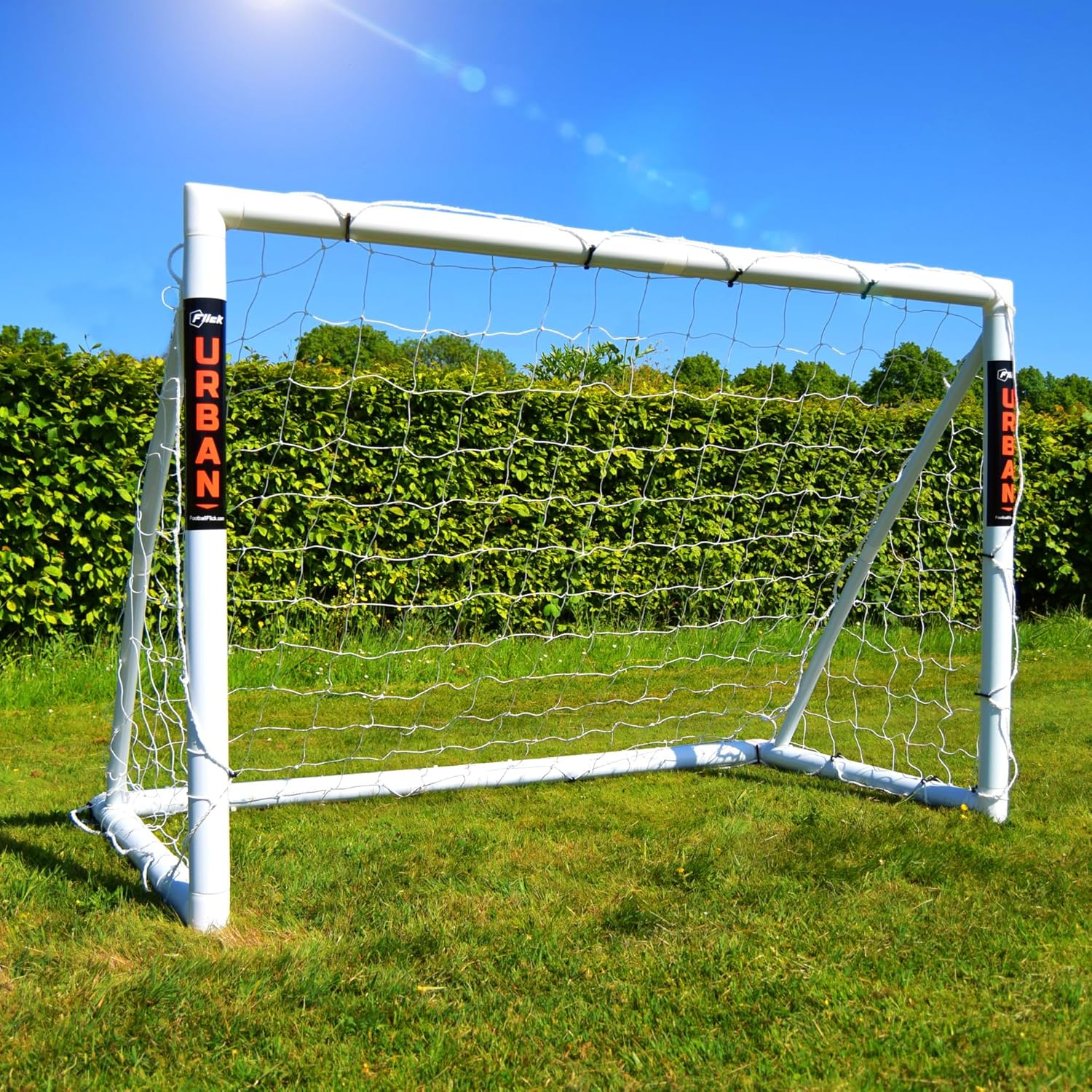
A goal is scored when the entire ball crosses the goal line between the posts and beneath the crossbar. The match is played over 90 minutes, split into two 45-minute halves. The referee may add stoppage time at the end of each half to account for injuries, substitutions, or delays.
If the match ends in a draw, the outcome depends on the competition format. League matches usually share points, while knockout games can go into extra time and, if needed, a penalty shootout to decide the winner.
The Pitch and Equipment
A standard football pitch measures between 100 and 110 metres long and 64 to 75 metres wide. The playing surface can be natural grass or approved artificial turf.
Each end features a goal area and a penalty area. The penalty area, marked 18 yards from the goal line, is vital — most fouls committed here lead to a penalty kick.
Players wear shirts, shorts, socks, shin pads, and boots. The goalkeeper must wear a different colour from the outfield players and match officials.
A regulation football is spherical, made of leather or synthetic material, and must have a circumference between 68 and 70 centimetres.
Starting and Restarting Play
A match begins with a kick-off at the centre of the pitch. The referee’s whistle signals play to start, and the ball must move forward.
Kick-offs also restart play after goals and at the beginning of the second half or extra time. Other restarts include throw-ins, goal kicks, corner kicks, and free kicks, depending on how the ball leaves play or which rule is broken.
Throw-ins occur when the ball fully crosses the sideline. The team that didn’t touch it last regains possession. Corner kicks are awarded when the defending team touches the ball last before it crosses their goal line. Goal kicks are the reverse scenario.
Offside Rule
Few rules cause more debate in football than offside. It exists to prevent players from simply waiting near the goal for easy chances.
A player is offside if they are nearer to the opponent’s goal line than both the ball and the second-last defender at the moment a teammate passes to them. Being in an offside position is not an offence by itself. The referee penalises it only if the player becomes involved in active play — for example, by touching the ball or obstructing an opponent.
Modern technology, including the Video Assistant Referee (VAR) system, now helps officials make these tight decisions with greater accuracy.
Fouls and Misconduct
Football is a physical sport, but fairness and safety are essential. Players commit a foul if they trip, push, hold, or tackle an opponent unfairly. Fouls usually result in a free kick or a penalty if they occur inside the penalty area.
Referees use yellow and red cards to manage discipline. A yellow card acts as a caution for unsporting behaviour or repeated offences. A red card means dismissal — the player must leave the field immediately, and their team plays with one fewer player for the rest of the match.
Two yellow cards in one game also result in a red card. Maintaining control and discipline often decides the outcome of closely contested matches.
Free Kicks and Penalties
When a foul or infringement occurs, the referee awards either a direct or indirect free kick.
- Direct free kick: The taker can score directly without another player touching the ball.
- Indirect free kick: The ball must touch another player before a goal counts.
A penalty kick is awarded for fouls inside the defending team’s penalty area. The ball is placed on the penalty spot, 12 yards from goal. Only the goalkeeper and kicker participate, creating one of football’s most intense moments.
The Role of the Referee and Officials
The referee controls the match and enforces the Laws of the Game. Two assistant referees patrol the sidelines to signal offsides, throw-ins, and fouls.
In top competitions, a fourth official manages substitutions and added time, while the VAR team assists remotely. These systems aim to reduce errors and ensure fairness, though debates about their impact on flow and emotion continue.
Referees have full authority over the match from the moment they enter the pitch until they leave it. Respect for officials remains a key part of football’s culture.
Substitutions and Match Management
Teams can name up to 12 substitutes, though competition rules vary on how many can be used. Most leagues allow up to five substitutions during normal time.
Managers often use substitutions to change tactics, rest tired players, or react to injuries. Stoppage time at the end of each half accounts for these interruptions.
Effective use of substitutions can transform a game — turning defence into attack or freshening energy late on.
Goalkeepers and Their Unique Role
Goalkeepers are the only players allowed to handle the ball, but only within their penalty area. They play a vital role in both defence and attack.
Modern keepers act almost like an extra outfield player, initiating attacks with accurate passing and commanding the space behind the defence. The best combine agility, positioning, and communication with technical skill on the ball.
Despite their special status, goalkeepers must also follow the same disciplinary and offside laws as everyone else.
Winning and Points System
In most competitions, a win earns three points, a draw earns one, and a loss earns none. League tables rank teams by total points, with goal difference and goals scored acting as tiebreakers.
Cup competitions follow knockout formats, often requiring extra time or penalties to find a winner. Some tournaments use two-legged ties, with aggregate scores determining who advances.
These systems create a balance between consistency across a season and excitement in single-match eliminations.
Fair Play and Spirit of the Game
Beyond the technical rules, football’s essence lies in fair play. The sport promotes respect among players, officials, and fans.
FIFA’s Laws of the Game encourage honesty, teamwork, and sportsmanship. Even at professional level, gestures like returning the ball after stoppage or helping an opponent up reflect the game’s values.
While technology and tactics evolve, the moral foundation of football remains constant — compete fiercely but fairly.
Conclusion: Simplicity That Unites the World
Football’s beauty lies in its simplicity. Anyone can learn the rules within minutes, yet mastering the game can take a lifetime.
The balance of skill, teamwork, and unpredictability keeps fans hooked from kick-off to final whistle. Whether played in a park, a stadium, or a schoolyard, the same principles apply: two teams, one ball, and a shared passion.
It’s this universal simplicity that makes football the world’s game — a sport where everyone, everywhere, can take part and dream.
I hope that you enjoyed this blog piece, hopefully you will also enjoy this one too.
Scotland and the World Cup 2026
Thank you for reading the blog post on Four Code Sports